Thinking about trading your Bronx apartment for more space and easier commuting options in Westchester? You have three main paths: co-op, condo, or single-family house. Each choice comes with a different kind of ownership, approval process, financing rules, and day-to-day lifestyle. In this guide, you’ll learn how these options compare in Westchester so you can pick the one that fits your budget, commute, and long-term goals. Let’s dive in.
What you actually own
Co-op: Shares plus a proprietary lease
When you buy a co-op, you purchase shares in a corporation that owns the building and land. You receive a stock certificate and a proprietary lease, not a deed. House rules, bylaws, and the lease control renovations, subletting, and building operations. Your monthly maintenance typically includes your share of the building’s real estate taxes, operating costs, and sometimes heat or water.
Co-op boards usually approve buyers and set financial standards. They often require strong liquidity and conservative debt-to-income ratios. Financing exists, but loans are structured as share loans and can be stricter than standard mortgages.
Condo: A deeded unit and common elements
With a condo, you receive a deed to your unit plus an undivided interest in the building’s common areas. You pay common charges for shared expenses and reserves, but you receive your own property tax bill. Buyer approvals are typically lighter than co-ops. Rules on pets, rentals, and renovations vary by association.
Condos generally offer broader mortgage options, including conventional loans. Some government-backed loans are available if the condo project meets program requirements.
Single-family house: Full property ownership
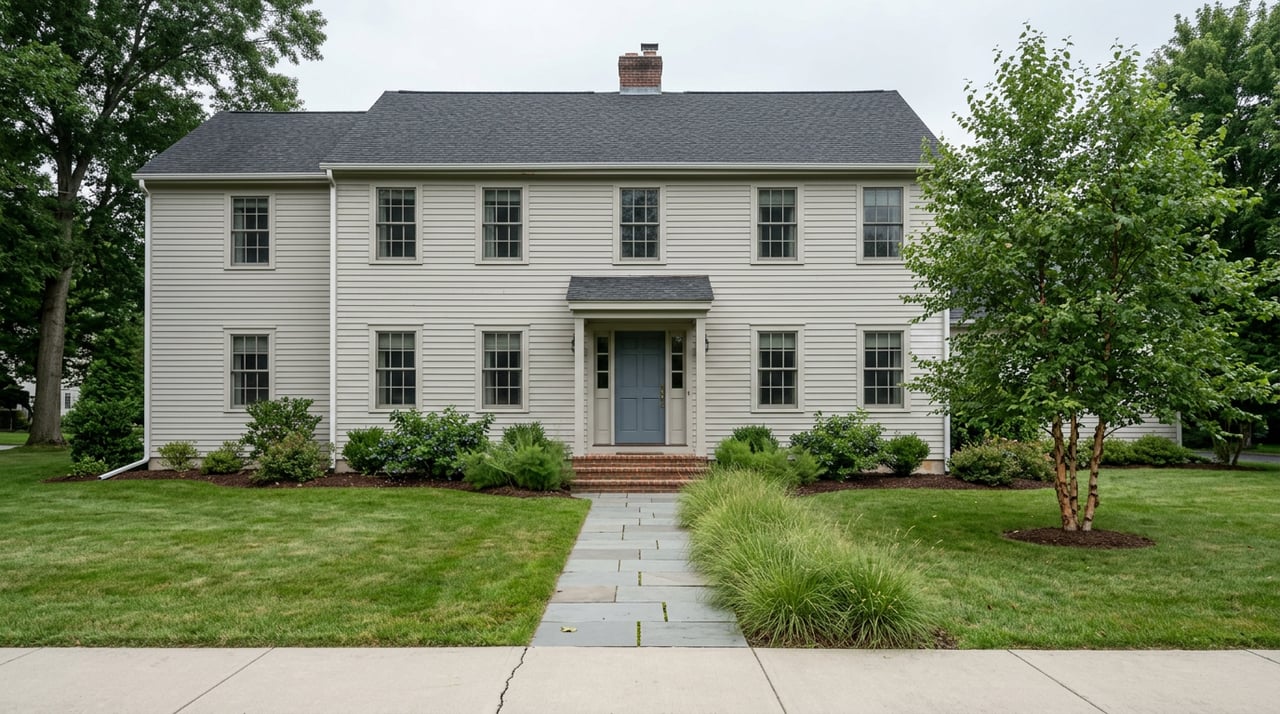
A house gives you a deed to the land and structure, along with full responsibility for maintenance and taxes. You handle exterior upkeep, utilities, snow, lawn care, and any septic or well systems if applicable. Municipal zoning, permits, and possibly homeowners association rules will guide what you can change or add. You can use a full range of mortgage products, and taxes are paid directly to the municipalities.
Approval and timeline
Co-op approvals take longest
A typical co-op path is offer, board package, board interview, then approval and closing. The board package is detailed. Expect tax returns, bank statements, job verification, reference letters, and a full financial statement. The board review can add weeks to the process. Some co-ops require bigger down payments or charge transfer fees or flip taxes. Always verify the building’s rules before you submit your offer.
Condo review is lighter
For condos, you will review the declaration, bylaws, budget, reserves, and meeting minutes during due diligence. Associations may ask for basic documentation, but there is usually no in-depth board interview. If you plan to use a government-backed loan, check the project’s eligibility early. That step can add time.
Houses follow a standard contract-to-close
For a house, you will complete home inspections, title and municipal searches, and mortgage underwriting. If the property has a septic system or well, plan for those inspections too. Timelines depend on your lender, inspection findings, and any municipal requirements.
Financing and down payments
Co-ops: Stricter underwriting
Many Westchester co-ops prefer buyers with larger down payments, often 20 to 30 percent or more. Some boards want even higher down payments and strong post-closing reserves. Lenders issue share loans for co-ops and evaluate both you and the building. Government-backed options are limited for co-ops.
Condos: Wider loan choices
Down payments for condos can start lower with certain programs. Many buyers put 10 to 20 percent down with conventional loans. Lenders will review condo financials, reserves, and project stability. Government-backed loans may be possible if the association meets eligibility requirements.
Houses: Full spectrum of mortgages
Houses can be financed with conventional, FHA, or VA loans, depending on your eligibility. You will choose a down payment based on the loan product and whether you want to avoid mortgage insurance. Your lender and attorney will also confirm local taxes, which can impact your total monthly budget.
Monthly costs and taxes
Co-op maintenance
Your monthly co-op maintenance usually covers building operations, your share of the real estate tax bill, building staff, and sometimes heat and water. Large capital projects can trigger special assessments. Effective monthly costs vary by building. Ask for recent maintenance history, reserves, and any planned work.
Condo common charges plus taxes
Condo owners pay common charges for building operations and reserves, then pay property taxes directly to the municipality. Assessments can occur if reserves are low or major work is planned. Review the budget, reserves, and project history during due diligence.
House ownership costs
For a house, budget for mortgage principal and interest, full property taxes, homeowner’s insurance, utilities, and all exterior maintenance. Westchester property taxes are often higher in dollar terms than in New York City, and they vary widely by town and school district. The federal cap on state and local tax deductions stands at 10,000 dollars, which can impact high-tax areas. Speak with your tax advisor about how deductions may work for your situation.
Insurance basics
- Co-op owners typically carry an HO-4 policy for personal property and liability. The co-op corporation carries the building policy.
- Condo owners purchase HO-6 walls-in coverage. The association carries a master policy for common elements.
- House owners carry a standard homeowners policy and may need flood insurance if the property lies in a flood zone.
Commute and lifestyle trade-offs
Train times to Grand Central
Westchester is served by the Hudson, Harlem, and New Haven lines. Commute times vary by station and express service. Many close-in stations can reach Grand Central in roughly 20 to 35 minutes on express trains. Mid-county hubs often range from about 30 to 50 minutes. Farther north is often 50 minutes or more. Proximity to an express station is a major value driver for NYC commuters.
Parking and driving
Driving times depend on I-87 and I-287 traffic and local routes into the Bronx and Manhattan. Parking rules vary by municipality. Some downtown areas have permit systems, while suburban neighborhoods may have different street rules. Always check station parking and on-street regulations before you buy.
How lifestyle differs by property type
- Co-op: A good fit if you want a lower entry price and less exterior maintenance, and if you are comfortable with board rules. Subletting is often limited, so co-ops tend to be best for long-term users rather than investors.
- Condo: A balance of ownership and flexibility. You get a deed, generally lighter buyer approvals, and more predictable resale options than many co-ops. Rules on pets, rentals, and renovations vary.
- House: Maximum control, privacy, and outdoor space. Best if you want room to expand or customize. You take on full responsibility for maintenance and typically higher property taxes.
What changes across Westchester towns
Taxes and assessments
Each municipality sets taxes with its assessor’s office, and school district levies are a key factor. Property tax burdens can differ a lot from one town or village to the next. Always review recent tax bills and assessed values for any property you are considering.
Zoning and permits
Local zoning controls additions, lot coverage, accessory units, driveways, and more. Some villages have strict design or historic reviews that add time and cost to exterior changes. If you plan a renovation or addition, confirm the process with the local building department early.
Utilities and infrastructure
Homes may have municipal water and sewer, or private well and septic systems, especially as you move north. Private systems require specific inspections and ongoing maintenance. Factor that into your timeline and budget.
Parking and local services
Resident permits, on-street parking, trash collection, and snow removal vary. Ask for schedules and rules during due diligence so you know what to expect.
Which option fits your goals
- You want lower purchase price and a shorter commute. Consider co-ops in city-style Westchester hubs near express stations. Balance the lower sticker price against maintenance and board rules.
- You want a deed with flexibility. Consider condos in commuter-friendly downtowns or near transit. Review association rules and reserves closely.
- You want space and control. Consider single-family homes with yards and garages. Weigh property taxes and maintenance against the privacy and long-term upside.
There is no single right answer. Your best match depends on budget, savings, commute priorities, tolerance for rules, and how much time you want to spend on maintenance.
Buyer checklist for Bronx move-up buyers
For co-ops
- Get the latest board package requirements and timeline.
- Review the proprietary lease, bylaws, house rules, financials, and reserve studies.
- Confirm minimum down payment, liquidity, and debt-to-income standards.
- Check subletting rules and any flip taxes or transfer fees.
For condos
- Review the declaration, bylaws, budget, reserve study, meeting minutes, and any litigation disclosures.
- Confirm financing eligibility for your loan type with your lender.
- Check pet policies, rental rules, parking assignments, and guest parking.
For houses
- Order home, septic, and well inspections if applicable, plus title and municipal searches.
- Verify building permit history, survey, and any homeowners association documents.
- Confirm zoning limits for planned renovations or accessory units.
For commute and daily life
- Time your door-to-door train commute, including parking or local transit to the station.
- Visit during rush hours to gauge traffic, parking, and neighborhood routines.
For all properties
- Request recent utility bills, tax bills, and insurance estimates.
- Confirm flood zone status and any flood insurance requirements.
- Work with local counsel experienced in Westchester closings.
Next steps
Choosing between a co-op, condo, or house in Westchester is easier when you match the ownership type to your lifestyle, commute, and financial plan. If you are selling in the Bronx and buying in Westchester, align both timelines early, verify your financing path, and compare real-world commutes by station. A focused search with clear budget targets will help you act quickly when the right property hits the market.
If you want a partner who understands the Bronx-to-Westchester journey, reach out to Rahhim Shillingford for a personalized plan. We will help you compare buildings and neighborhoods, confirm carrying costs, and coordinate the sale and purchase so you can move with confidence.
FAQs
What is the main difference between a co-op and a condo in Westchester?
- In a co-op you buy shares and receive a proprietary lease, while in a condo you receive a deed to your unit and pay your own property taxes.
How long does a co-op board approval usually take?
- The board review can add several weeks, depending on the building’s process, your documentation, and interview scheduling.
Can I use an FHA or VA loan for a Westchester condo?
- Possibly, if the condo project meets the program’s eligibility requirements; confirm status early with your lender and the association.
Are Westchester property taxes higher than in New York City?
- They are often higher in dollar terms for single-family homes, but the exact amount varies by municipality and school district.
Which option is best for NYC commuters?
- Properties near express Metro-North stations offer shorter rides to Grand Central; co-ops and condos near transit can be efficient, while houses farther out trade commute time for more space.
What should I review in a condo or co-op before I buy?
- Review governing documents, building financials, reserve studies, meeting minutes, rules on pets and rentals, and any planned capital projects or assessments.