Putnam Lake's original building lots measured 20 feet by 100 feet, the size of a typical New York City lot, and sold for $50 each. The Patterson Historical Society's history of the Putnam Lake community says a lot that size held a summer bungalow and an outhouse but had no room for a septic system, and the well was dug by hand.
Most of those small lots are still there, with year-round homes on them now. Lake Carmel, Lake Peekskill and Putnam Lake were planned together as summer places, and each later turned into a year-round neighborhood one house at a time. For a buyer comparing them today, the two things that most separate one lake-community home from another are how that particular house was converted and what its lake has recorded over recent summers.
One Partnership Started All Three Lakes in 1928
According to the Patterson Historical Society, McGolrick Realty Co. teamed up with Warren and Arthur Smadbeck to build recreational communities in Putnam County for New York City residents. The Smadbecks were city developers who had taken over their father's business, Home Guardian Company, and The New York Daily Mirror joined the effort and ran the ads. Work on three communities began in 1928: Lake Carmel in the Town of Kent, Lake Peekskill in Putnam Valley and Putnam Lake in Patterson. All three were planned as summer-bungalow communities around man-made lakes and aimed at average middle-class families.
Putnam Lake is the best documented. In 1930 a development group bought five farms, plus land across the line in New Fairfield, Connecticut, for a total of 1,111 acres. They dammed Morlock Brook to make the lake and mapped 11,000 building lots. The first newspaper ads ran in the summer of 1931, and the society reports that 75% of the lots sold in that first year. The Smadbecks used the same formula wherever they built: open land near a lake or rail station, close to a big city, cut into small, cheap lots and sold through newspaper ads.
Lake Peekskill started as Cranberry Pond. The Putnam Valley Historical Society's account says McGolrick bought the property and had the Hudson Valley Engineering Company map it. The surveyor signed the maps on April 29, 1929. Prospective buyers got free bus rides, a model home and free lunches. A dam near the Lake Drive bridge enlarged the lake, and a pump drew water from Hollowbrook to fill it for summer.
What the Summer Plat Left Behind
These were never meant to be year-round neighborhoods. Putnam Lake mostly emptied after Labor Day, and only a few families built for all four seasons. In Lake Peekskill, early households had drinking and cooking water delivered daily in large milk cans until the developer ran water lines for summer use.
Year-round living arrived later, house by house. As Patterson became a bedroom community, many Putnam Lake bungalows were torn down and replaced with larger homes. Others were enlarged, heated and insulated. Small septic systems took the place of outhouses, and deeper wells were drilled as year-round demand lowered the water table. As of 2013 the Patterson side of the Putnam Lake community had about 1,230 homes, and it is still the town's most populated neighborhood.
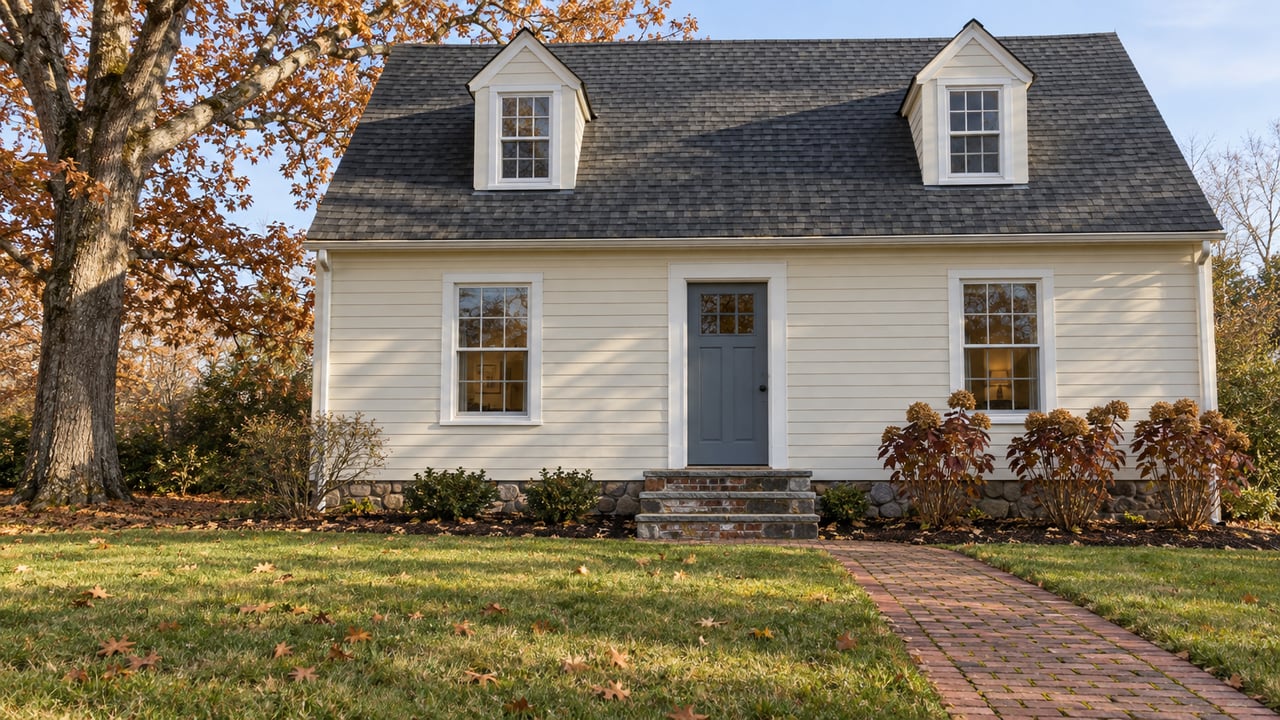
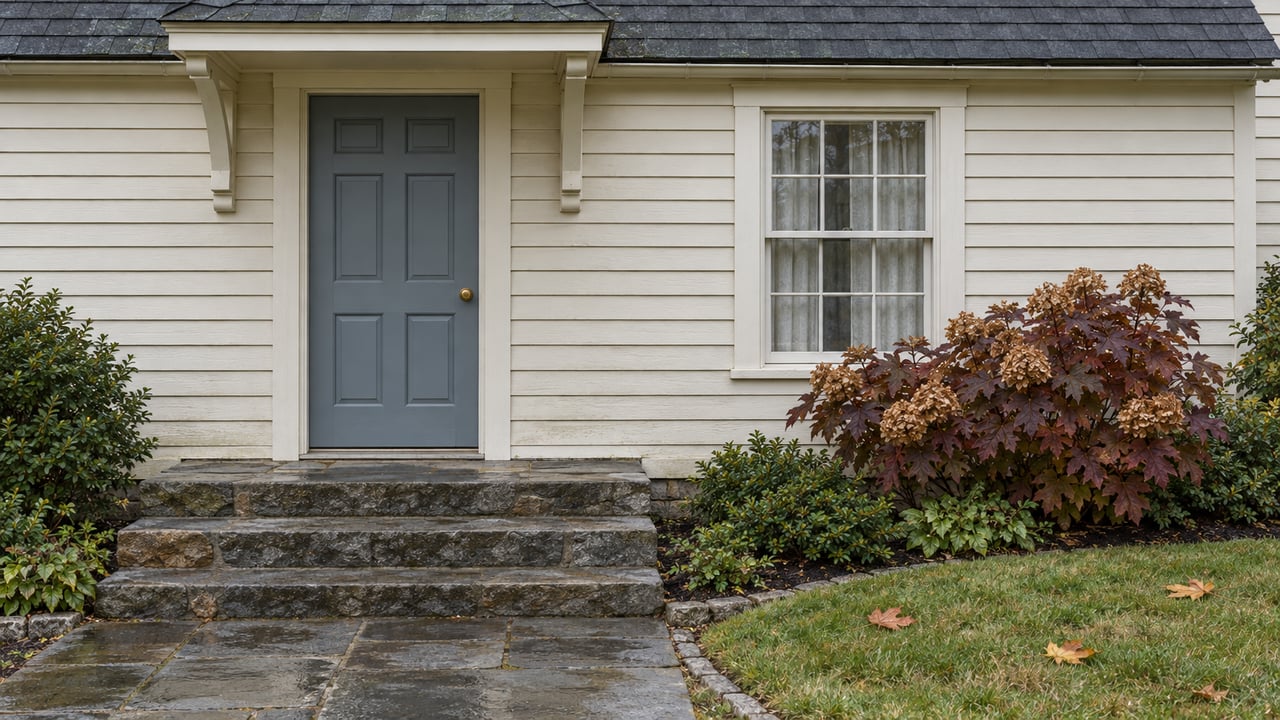
That history explains why houses on the same lake street can be so different. One may be a full rebuild. The house next door may be a 1930s bungalow that was winterized in stages, with heat, septic and a deeper well added over several decades, and the two can be listed near the same price. When you tour, ask when the house became year-round, what was added and when, and what paperwork the seller has. Those answers tell you more about a lake-community home than its listing photos.
Each Lake Has Its Own Recent Record
The beaches in these communities are run by town districts: the Lake Carmel Park District in Kent, the Putnam Lake Park District in Patterson, with Warren and Jackson beaches, and the Lake Peekskill Improvement District in Putnam Valley, with Singer's, North and Carrara's beaches. Their water quality varies from lake to lake, and the monitoring is public, so you can see how recent summers went before you choose one.
New York State DEC's 2025 lake report for Lake Carmel classifies the lake as eutrophic and lists harmful algal blooms as frequent, with a confirmed report at Beach #2 on August 12, 2025.
Lake Peekskill has the most active district program. Its May 2026 sampling report found the dominant algae had shifted from blue-green to green after ultrasonic units went in. It also found phosphorus still elevated and said blooms and nuisance plants could still develop. In mid-July 2026, News 12 reported that all three Lake Peekskill beaches were closed for algal blooms. The same report listed Lake Secor Beach among several Putnam beaches closed for elevated bacteria, and said the county health department would do clearance sampling before reopening.
Putnam Valley's other lakes publish reports of their own. Roaring Brook Lake's April 2026 scorecard rated its 2025 water quality 8 out of 12, with no monitored measure over its threshold. It also recorded residents' concern about more aquatic plant growth and noted a 2025 drawdown. Lake Oscawana's monitoring report for 2024 found surface cyanobacteria above its 20,000 cells per mL target in several months, though no cyanobacteria beach advisory lasted more than a week.
The number of open beach days in a summer differs from lake to lake, and these reports are the record of it.
Lake Carmel's dam has money behind it. In June 2024, Congressman Mike Lawler's office announced federal funding that Kent's supervisor said included $1.237 million for engineering and rehabilitation of the Lake Carmel Dam. In December 2024, the state's Regional Economic Development Council awards listed a $2.5 million DEC grant to Kent to stabilize the dam embankment, install a filter and drain system and repair the spillway. If you're looking in Lake Carmel, ask the Town of Kent how far that project has progressed.
Touring Lake Homes This Winter
In late November there are no beach crowds and no summer leaves hiding the lot lines, the driveways or how close the houses sit, so the 1930s lot plan is easy to see from the street. The countywide numbers also give winter buyers more room to negotiate than the headline price suggests.
In OneKey MLS's Q3-2026 report for Putnam County, covering July through September with data as of October 7, 2026, the single-family median sale price was $609,000. That was down 0.2% from the third quarter of 2025, and closed sales held flat at 260. On those numbers alone the market looks unchanged. The same quarter's pending sales, meaning contracts signed, fell 19.6% to 213. Homes for sale at quarter's end rose 19.3% to 260, and months of supply went from 3.2 to 3.9.
Sellers still got 101.2% of original list price on average in Q3-2026, and median days on market fell to 35 from 42 a year earlier. Prices held steady. What changed was the number of new contracts, which fell, and the number of homes to choose from, which rose. The same report notes that the 30-year fixed rate averaged 7.03% as of September 24, up from 6.67% in August.
These are county-level figures. They don't separate lake-community homes from other homes, and they aren't broken out by town. Still, more listings and fewer competing contracts give a buyer time to learn a house's conversion history and read its lake's reports before making an offer. Our mortgage calculator lets you check the monthly payment at current rates, and our Putnam County page covers the wider county.
If you're weighing Lake Carmel, Lake Peekskill and Putnam Lake, Vision Alliance Realty can walk those streets with you and help you tell the full rebuilds from the converted bungalows before you make an offer. Start Your VIP Home Search with our buyer team and tell us which lake you have in mind.