Trying to decide between the Bronx and Westchester for your next move? The choice usually comes down to three things: how much space you want, how you get to work, and what daily life feels like in each place. You might love the Bronx’s walkable blocks and subway access, or you might be craving a yard, a driveway, and a quieter street in Westchester. In this guide, you’ll see clear, data-backed differences so you can weigh your tradeoffs with confidence. Let’s dive in.
Big-picture snapshot
The Bronx and Westchester sit side by side, but they offer very different scales and rhythms. The Bronx has around 1.38 million people living on 42 square miles, which creates a dense, urban feel with frequent retail and transit nearby. Westchester has about 1.00 million residents spread over roughly 431 square miles, so the pattern skews suburban with single-family homes, local downtowns, and larger parks. You can see the population and density contrast in the U.S. Census QuickFacts for Bronx County and Westchester County.
Income levels differ too. Westchester’s median household income is about 119,000 dollars compared with roughly 49,000 dollars in the Bronx, according to the same Census sources. That gap influences housing demand, local services, and everyday spending options. It also helps explain why housing in Westchester typically costs more than in the Bronx.
Housing costs and home types
When you compare prices, it helps to separate current market indexes from long-term survey estimates. Zillow’s county-level index shows typical home values around 827,800 dollars in Westchester versus about 487,500 dollars in the Bronx. By contrast, Census survey medians for owner-occupied homes place Westchester near 663,200 dollars and the Bronx near 517,000 dollars. These figures use different methods, which is why they do not match exactly but still point to the same story: Westchester homes usually cost more than Bronx homes.
Rents show overlap. Recent asking-rent patterns place Westchester in the mid 2,900 dollar range on average and the Bronx in the low to mid 2,700 dollar range, with wide variation by bedroom count and neighborhood. For another data point on rent benchmarks, review HUD’s Fair Market Rent tables for the Bronx on this reference page.
Ownership patterns also diverge. The Bronx is overwhelmingly renter-occupied, with owner-occupied units around 20 percent. Westchester is the opposite, with owner-occupied homes near 62 percent. These splits, reported by the Census QuickFacts, reflect the overall housing stock in each area. In the Bronx, you’ll find more multifamily buildings, co‑ops, and condos. In Westchester, you’ll see more single-family houses, townhomes, and low-rise communities.
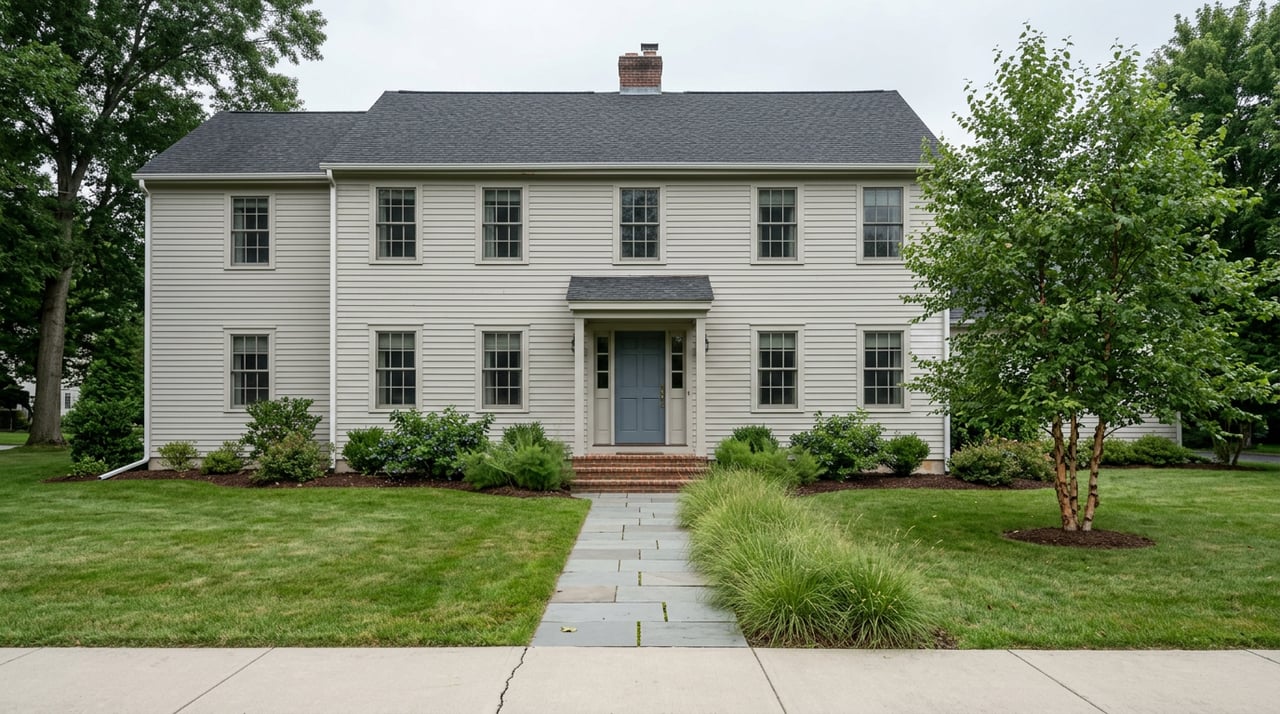
What does that mean for space? In the Bronx, many households live in studios to two-bedroom apartments that might run from about 400 to 900-plus square feet depending on building and neighborhood. In Westchester, it is common to find single-family homes with 1,200 to 3,000-plus square feet and private outdoor space. Exact sizes vary by town and property, so your agent will help you compare listings by neighborhood and school catchment.
Taxes and total monthly cost
If you are thinking about buying in Westchester, build a realistic monthly budget. Property taxes are often a larger line item than what you see on many NYC apartments. Local tax snapshots for towns like New Rochelle show many homeowners paying five-figure annual bills, as summarized in this Westchester tax data example. New York City co‑ops and condos follow a different tax structure and often show lower effective tax rates, which you can learn more about from the NYC Independent Budget Office’s overview.
When you compare Bronx and Westchester, add up:
- Mortgage or rent
- Property taxes (for owners)
- Home insurance, utilities, and maintenance
- Commuting costs, including parking or rail passes
Commutes and transportation
Your commute is about more than a single train time. It is a door-to-door routine that includes walking or driving to the station, time on the train or subway, and last-mile connections. On average, Bronx commuters show a longer mean travel time to work at about 43.9 minutes. Westchester’s mean sits around 34.6 minutes. These are county-level averages from the Census and they hide big differences by neighborhood and job location.
Mode of travel also shapes your day. Many Bronx residents rely on public transit at high rates. ACS-based summaries show the borough’s public transit share over 50 percent, which aligns with its dense street grid and subway and bus network. You can see mode-share context in this ACS-derived Bronx profile. In Westchester, more people drive or take Metro‑North, so car ownership and parking are common planning issues.
Here is how typical options break down:
- Bronx: The NYC Subway and local bus network are the backbone for trips to Manhattan. Some neighborhoods also have access to Metro‑North, including along the Hudson and Harlem Lines.
- Westchester: Metro‑North’s Harlem, Hudson, and New Haven Lines connect many towns to Grand Central. Southern Westchester stations have frequent express options and shorter rides. You can track schedule updates on the MTA’s Metro‑North timetable page.
Door-to-door times vary by station and time of day, but a few patterns help:
- Southern Westchester hubs like Yonkers, New Rochelle, and White Plains can reach Midtown in roughly 25 to 40 minutes on many express trains. Local trains take longer.
- River towns and northern suburbs can run 35 to 60-plus minutes.
- Many Bronx-to-Midtown subway trips fall in the 20 to 45 minute range, but the borough’s overall average is higher because residents work all over the region, not just Midtown.
Plan for station parking permits and waitlists in some Westchester towns. If you can walk or bike to the station, you may save both time and money.
Space and lifestyle
If you want an urban, walkable lifestyle with frequent retail and transit, many Bronx neighborhoods deliver that rhythm. You will likely have less private space at home but more activity right outside your door. If you want a yard, a driveway, and larger indoor rooms, Westchester has many options that match those goals. It mixes suburban blocks with small-city downtowns and a network of larger parks and green spaces. For a sense of how settlement patterns shift across towns, see the countywide density patterns on the Westchester Index.
Not every Westchester town is the same. Southern towns like Yonkers, New Rochelle, and White Plains offer walkable cores with dining and services near Metro‑North stations, while many neighborhoods farther north are quieter and more car-oriented. The right match comes down to how you like to spend your evenings and weekends.
Schools and education context
County-level education indicators are not the whole story, but they do offer a snapshot. Adult educational attainment is higher in Westchester than in the Bronx in recent Census estimates. At the K–12 level, Westchester’s county materials often cite four-year public school graduation rates in the low 90s, which reflects the broader mix of suburban districts. You can see a general county quality-of-life and education overview in the Business Council of Westchester relocation guide.
In the Bronx, NYC offers a wide range of schools, from specialized and screened programs to neighborhood-zoned options, serving diverse student needs. In Westchester, performance varies widely by district and even by school. The best approach is to review district report cards and then visit specific schools. Start with the New York State Education Department’s report card portal and your target district’s official site for the most current data. Use county or district boundary maps to understand attendance zones before you fall in love with a home.
Move planning checklist
Use this quick list if you are sizing up a Bronx-to-Westchester move, or the reverse.
- Define your non-negotiables: yard size, bedroom count, home office space, walkability, or proximity to a specific station.
- Build a total monthly budget: mortgage or rent, taxes, insurance, utilities, commute costs, and a maintenance reserve.
- Map your door-to-door commute: time to station or subway, parking or permit rules, train schedule, and last-mile connections.
- Shortlist towns or Bronx neighborhoods: tour at commute hours, evenings, and weekends to experience the real rhythm.
- Research schools by district: look up official report cards and confirm attendance boundaries with the district.
- Compare market options: in the Bronx, focus on co‑ops, condos, and small homes; in Westchester, target single-family homes, townhouses, or transit-proximate apartments.
- Plan your sell-and-buy timeline if needed: align listing prep, photography, and offers with your purchase financing and closing plan.
Choose your best fit
Pick the Bronx if you want an urban lifestyle with frequent transit, street-level convenience, and you are comfortable trading space at home for a vibrant neighborhood right outside. Many buyers and renters value shorter, subway-based commutes and dense retail options.
Pick Westchester if you want more square footage, private outdoor space, and a suburban or small-city feel. You may gain room to grow and a quieter street, and you will likely shift to a commuter-rail or driving routine for work and errands.
Wherever you land, you deserve a partner who knows both markets and can help you weigh the tradeoffs. If you are ready to compare neighborhoods, time your sale and purchase, or start a targeted search, connect with Rahhim Shillingford to Start Your VIP Home Search.
FAQs
What are the biggest cost differences between the Bronx and Westchester?
- Home purchase prices and property taxes are usually higher in Westchester, while rents overlap but trend a bit higher in Westchester on average; commuting and parking can also add to monthly costs in the suburbs.
How long is the Metro‑North commute from southern Westchester to Midtown?
- Many express trains from towns like Yonkers, New Rochelle, or White Plains reach Grand Central in roughly 25 to 40 minutes, with longer times for local stops or farther towns.
Are Westchester property taxes higher than NYC co‑ops or condos?
- Often yes; suburban homeowners in many Westchester towns pay five-figure annual taxes, while NYC apartments follow different tax rules that can lower effective rates for many units.
Is renting usually cheaper in the Bronx than in Westchester?
- It depends on the neighborhood and unit size, but asking-rent indexes show overlap, with Bronx averages in the low to mid 2,700s and Westchester in the mid 2,900s in recent observations.
How should I compare schools between specific towns or neighborhoods?
- Review district and school report cards from official state sources, then visit schools and confirm attendance boundaries with the district before making offers.