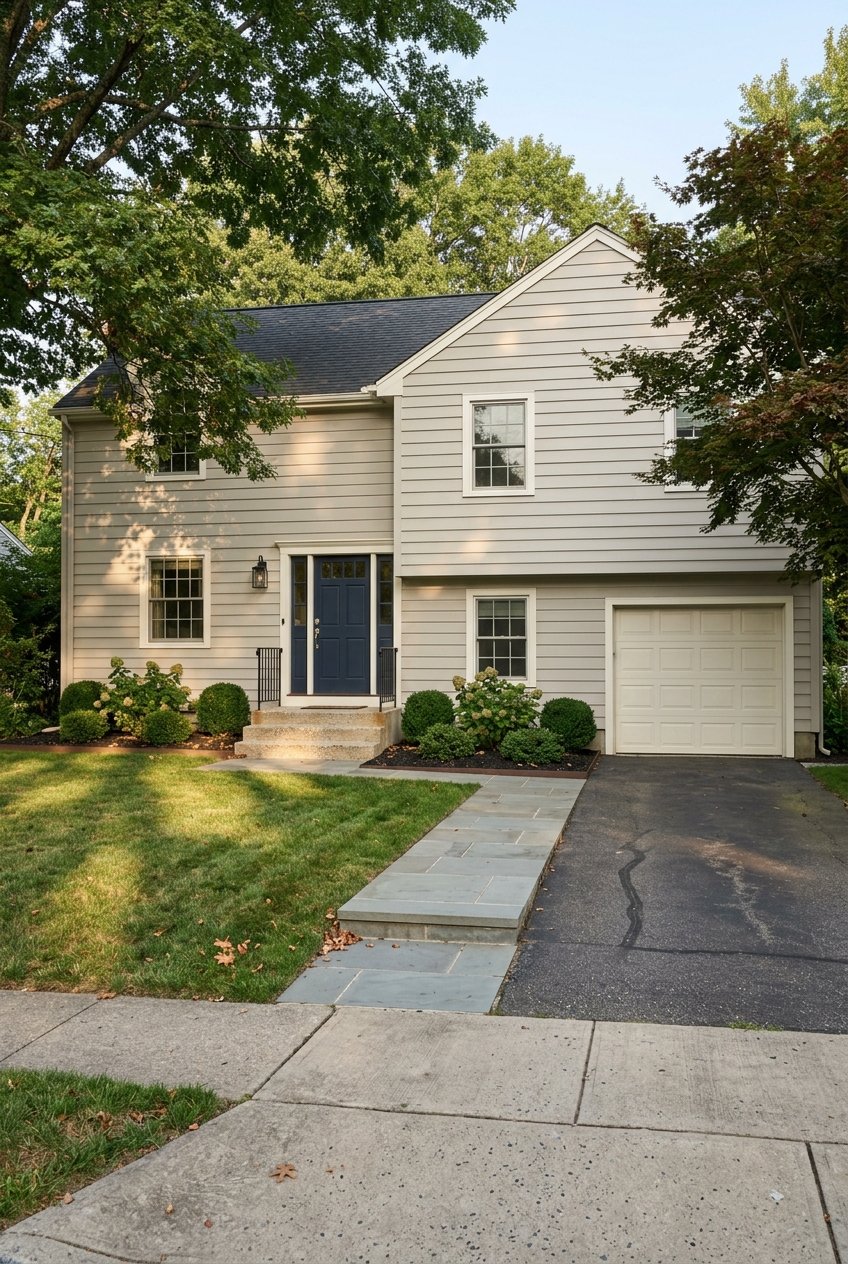
Wondering if homeownership in the Bronx is really within reach? If you have been renting for years, that question can feel exciting and overwhelming at the same time. The good news is that moving from renter to homeowner does not have to happen all at once. With the right timeline, a clear budget, and local guidance, you can turn a big goal into a step-by-step plan. Let’s dive in.
Why Bronx buyers need a plan
Buying in the Bronx is not just about finding a place you like. It is also about understanding how ownership changes your monthly costs, your flexibility, and your day-to-day routine.
Bronx County remains a renter-heavy market, with a homeownership rate of 19.7%. Recent local data also show a median gross rent of $1,510, while median monthly owner costs with a mortgage are $2,935. That gap is important because it shows why many renters need time to prepare before making the jump.
The purchase price is only part of the picture. As a homeowner, you may also need to budget for property taxes, homeowner’s insurance, and maintenance. If you think you may move again in a year or two, waiting could make more sense than rushing into a purchase.
Start with your real monthly budget
A lot of first-time buyers focus on the maximum loan amount a lender might offer. A better starting point is the monthly payment you can comfortably live with.
In the Bronx, that payment can vary a lot depending on the home type and location. A detached house, a condo, and a co-op can come with very different ongoing costs. Looking only at the asking price can leave you with an incomplete picture.
Include all ownership costs
Before you start touring homes, build a budget that includes:
- Mortgage principal and interest
- Property taxes
- Homeowner’s insurance
- Maintenance and repairs
- Any HOA or building-related charges if they apply
- Commuting costs tied to location
This matters in the Bronx because commute time can shape your daily quality of life just as much as the home itself. Census data put the mean travel time to work in Bronx County at 43.3 minutes, so location deserves a real place in your budget conversation.
Property taxes can change by property type
New York City uses different property tax classes, and that can affect your carrying costs. Class 1 generally includes residential property with up to three units, while Class 2 includes most other residential properties such as cooperatives and many condominiums.
For tax year 2026, New York City lists tax rates of 19.843% for Class 1 and 12.439% for Class 2. Tax bills are issued either quarterly or semiannually. You do not need to memorize the tax system, but you do need to know that two homes with similar prices may have very different monthly math.
Clean up your credit before applying
One of the smartest first steps is checking your credit early. That gives you time to fix errors and improve habits before a lender reviews your file.
The CFPB recommends reviewing your credit reports before you begin applying for a mortgage. By law, you can get a free credit report each year from Equifax, Experian, and TransUnion through the federally authorized source for annual reports.
Focus on simple credit wins
If you want to strengthen your mortgage profile, keep your attention on the basics:
- Pay bills on time
- Keep credit card balances low
- Avoid opening several new accounts at once
- Review reports for mistakes and dispute any errors
You do not need a perfect financial profile to begin planning. You just need enough time to improve what you can and avoid last-minute surprises.
Build a homebuying savings bucket
Saving for a home in the Bronx usually means planning for more than the down payment alone. You may also need funds for a contract deposit, closing costs, inspections, and moving expenses.
That is why it helps to create a separate savings bucket just for homeownership. Keeping this money separate from everyday spending makes your progress easier to track and helps you stay focused.
Know the minimum buyer contribution
If you hope to use assistance programs, your own savings still matter. Current HomeFirst materials state that buyers must contribute at least 3% of the purchase price or contract deposit from their own funds for down payment or closing costs. SONYMA also notes that applicants must contribute 1% of their own funds into the transaction.
That means assistance can help, but it usually does not replace the need for disciplined saving. Starting early gives you more options later.
Gather documents early
Once you begin speaking with lenders or counseling agencies, paperwork moves quickly. A simple digital or paper folder can save you time and stress.
Common documents include:
- Recent tax returns
- Pay stubs
- Bank statements
- Employment records
- Proof of available funds
Having these ready can keep your timeline on track when you move from planning to preapproval.
Learn Bronx-friendly assistance options
For many first-time buyers in New York City, down payment assistance can make a meaningful difference. If you are moving from renting to buying, two programs are especially important to know.
HomeFirst for NYC first-time buyers
NYC HomeFirst can provide qualified first-time buyers with up to $100,000 toward down payment or closing costs for a one- to four-family home, condo, or co-op in the five boroughs. The assistance is capped at 20% of the purchase price or $100,000, whichever is less.
To qualify, buyers must meet program requirements that include being a first-time homebuyer, completing HPD-approved homebuyer education, working with an HPD-approved counseling agency, and using a participating lender. The home must also be your primary residence and pass inspection.
Current ACCESS NYC materials list income eligibility up to 120% of area median income, ranging from $136,080 for a one-person household to $256,680 for an eight-person household. If you think you may qualify, it makes sense to explore this option early.
SONYMA for lower-rate financing support
SONYMA offers several mortgage options for qualified buyers, including the Achieving the Dream Program, the Low Interest Rate Program, and a 0% interest Down Payment Assistance Loan. Program rules vary based on income, property type, location, and purchase price.
SONYMA also works with nonprofit counseling agencies that offer help with money management, credit monitoring, homeownership preparation, and foreclosure prevention education. For Bronx renters preparing to buy, that added support can be just as valuable as the financing itself.
Use preapproval to set your ceiling
Preapproval is not just something you do to move faster when you make an offer. It is one of the best tools for understanding what homeownership will really cost you.
The CFPB recommends getting at least three preapprovals and comparing at least three loan offers from different lenders. When mortgage credit checks happen within a 45-day shopping window, they are usually treated as a single inquiry in most scoring models.
Compare more than the interest rate
As you review loan offers, compare:
- Interest rate
- Loan term
- Payment structure
- Fees
- Whether taxes and insurance are included in the monthly payment
This is where many first-time buyers sharpen their search. A lender may approve you for more than you actually want to spend, so use preapproval to define a realistic ceiling, not just a headline number.
Research neighborhoods at the block level
The Bronx is not one uniform housing market. Different parts of the borough offer different housing stock, price points, and day-to-day living patterns.
Furman Center neighborhood profiles break the borough into distinct areas such as Mott Haven/Melrose, Highbridge/Concourse, Fordham/University Heights, Riverdale/Fieldston, Parkchester/Soundview, Throgs Neck/Co-op City, Morris Park/Bronxdale, and Williamsbridge/Baychester. Community board boundaries can also help you narrow your search.
Match the area to the home type
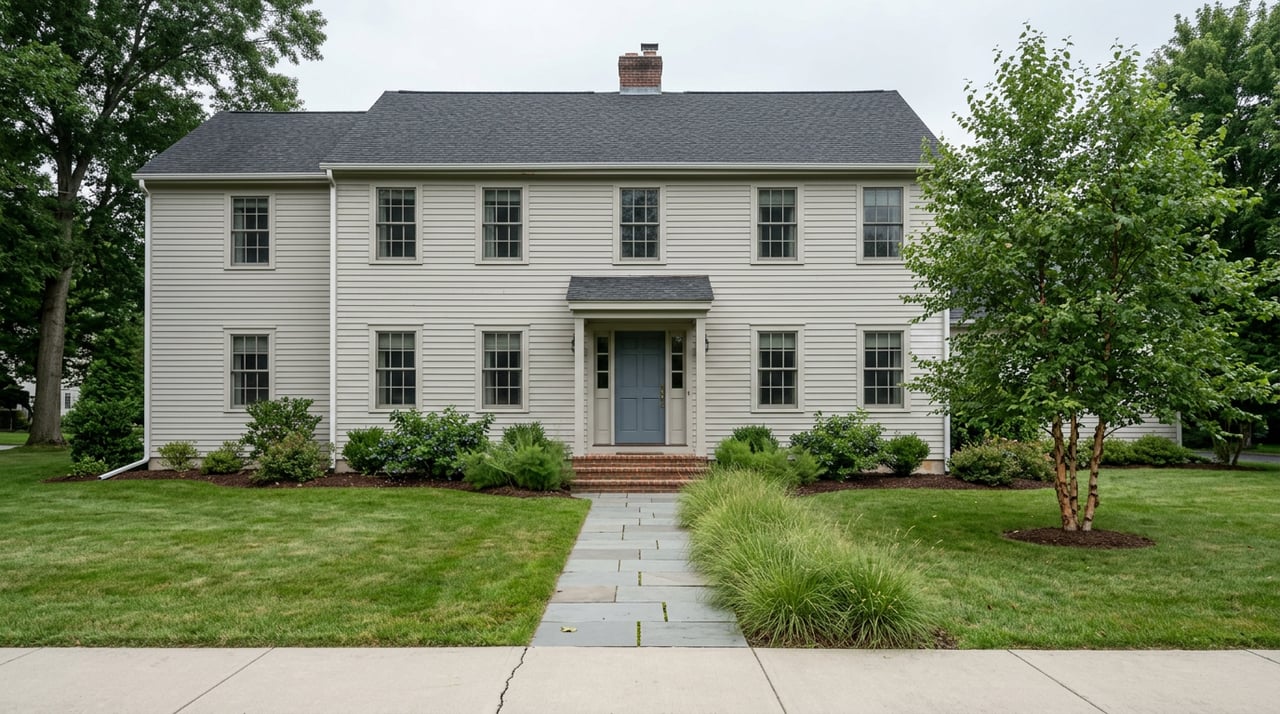
Housing style matters because it shapes your monthly costs and responsibilities. In Pelham Bay, planning materials describe low- to mid-density housing with large detached one- and two-family homes on interior blocks and apartment buildings along wider avenues. In the Jerome Avenue study area, the housing mix is described as predominantly apartment buildings with some one- and two-family homes.
For you, that means the best-fit neighborhood is not just about the name on the map. It is about whether the area supports the budget, space, parking needs, and maintenance level you are comfortable with.
Follow a practical 12 to 24 month roadmap
If buying now feels out of reach, that does not mean you are behind. Many successful first-time buyers follow a longer runway.
Months 0 to 3
Start by pulling your credit reports, correcting any errors, tracking your spending, and beginning homebuyer counseling. This is also the right time to set a savings goal and see whether HomeFirst or SONYMA may fit your household.
Months 3 to 6
Estimate your true monthly payment, including taxes, insurance, and maintenance. Narrow down your neighborhood list and confirm that the property type you want fits the requirements of any financing or assistance programs you hope to use.
Months 6 to 12
Meet with multiple lenders, gather at least three preapprovals, and compare loan offers side by side. By this point, you should have a clearer sense of your real buying range before home touring gets serious.
Months 12 to 24
When you are ready to make offers, use financing and inspection contingencies where appropriate, schedule the home inspection, shop for homeowner’s and title insurance, and prepare to provide updated underwriting documents quickly after an offer is accepted.
What matters most for Bronx renters
You do not need to be perfect before you begin. You do need a sequence that keeps the process manageable and grounded in your real budget.
For most Bronx renters, the path looks like this: improve credit, save steadily, learn the assistance programs, get preapproved, and then match the right neighborhood and property type to your monthly comfort zone. That approach can help you move forward with more clarity and less stress.
When you are ready to take the next step, working with a local brokerage that understands Bronx neighborhoods, property types, and first-time buyer concerns can make the process feel much more straightforward. If you want personalized guidance, start your search with Rahhim Shillingford.
FAQs
What should Bronx renters budget for before buying a home?
- Bronx renters should budget for the mortgage, property taxes, homeowner’s insurance, maintenance, possible building-related charges, closing costs, inspections, and moving expenses.
How much help can first-time buyers get from NYC HomeFirst?
- Qualified first-time buyers may receive up to $100,000 for down payment or closing costs, capped at 20% of the purchase price or $100,000, whichever is less.
What documents do Bronx first-time buyers need for preapproval?
- Most buyers should be ready with tax returns, pay stubs, bank statements, employment records, and proof of available funds.
How many mortgage preapprovals should Bronx buyers get?
- CFPB guidance recommends getting at least three preapprovals and comparing at least three loan offers from different lenders.
Why do Bronx neighborhoods matter so much when buying?
- Bronx neighborhoods can differ sharply in housing stock, commute patterns, property type, and monthly carrying costs, so block-level research is more useful than relying on boroughwide averages alone.