If you want a strong sale in Westchester, preparation is not a side task. It is one of the biggest factors you can control. In a market where homes can move quickly and buyers are comparing condition, photos, and value right away, the way your home looks before launch can shape the entire outcome. This guide will walk you through what matters most, where to focus your budget, and how to prepare your Westchester home for a confident, competitive debut. Let’s dive in.
Why prep matters in Westchester
Westchester County remains an active, high-price housing market, but there is no single number that tells the whole story. For example, Zillow reports a typical home value of $841,836 and about 29 days to pending, while Realtor.com shows about 1.5K homes for sale, a median listing price of $660K, and a 100% sale-to-list ratio. Those numbers track different metrics, but they point to the same takeaway: well-prepared homes can still attract strong attention.
That matters because buyers are not just judging your home in person. They are often judging it online first, and they are doing it fast. According to the National Association of REALTORS® article on online visibility, 52% of buyers found the home they purchased online, and 81% rated listing photos as the most useful feature in their search.
Start with clean and clutter-free
Before you think about larger updates, focus on the basics. In the 2025 NAR Profile of Home Staging, 91% of sellers’ agents recommended decluttering and 88% recommended whole-home cleaning before listing.
This step matters because clutter makes rooms feel smaller, distracts buyers from your home’s features, and can make everyday wear stand out more than it should. A clean, simplified space helps buyers focus on layout, light, storage, and flow.
A smart starting checklist includes:
- Remove extra furniture that makes rooms feel tight
- Clear countertops, vanities, and open shelving
- Pack away personal photos and highly specific decor
- Deep clean floors, windows, kitchens, and bathrooms
- Organize closets, pantries, and storage areas
If your budget is limited, this is still one of the best places to invest your time. Even without full staging, a clean and edited home can make a much stronger first impression.
Fix visible condition issues first
Many sellers wonder if they need a major remodel before listing. In most cases, the better move is to address visible problems before taking on a large renovation.
The 2025 NAR Remodeling Impact Report found that 46% of buyers are less willing to compromise on home condition than they used to. The same report noted that seller-focused projects often include painting the entire home, painting one room, and replacing roofing when needed.
That means your prep list should usually begin with issues buyers can see right away, such as:
- Peeling paint or scuffed walls
- Loose hardware or damaged fixtures
- Stained carpet or worn flooring
- Leaky faucets or running toilets
- Broken trim, cracked tiles, or damaged screens
- Missing shingles or obvious roof concerns
These may seem small, but they can create doubt. Buyers often interpret visible deferred maintenance as a sign there may be bigger issues behind the scenes.
Prioritize curb appeal early
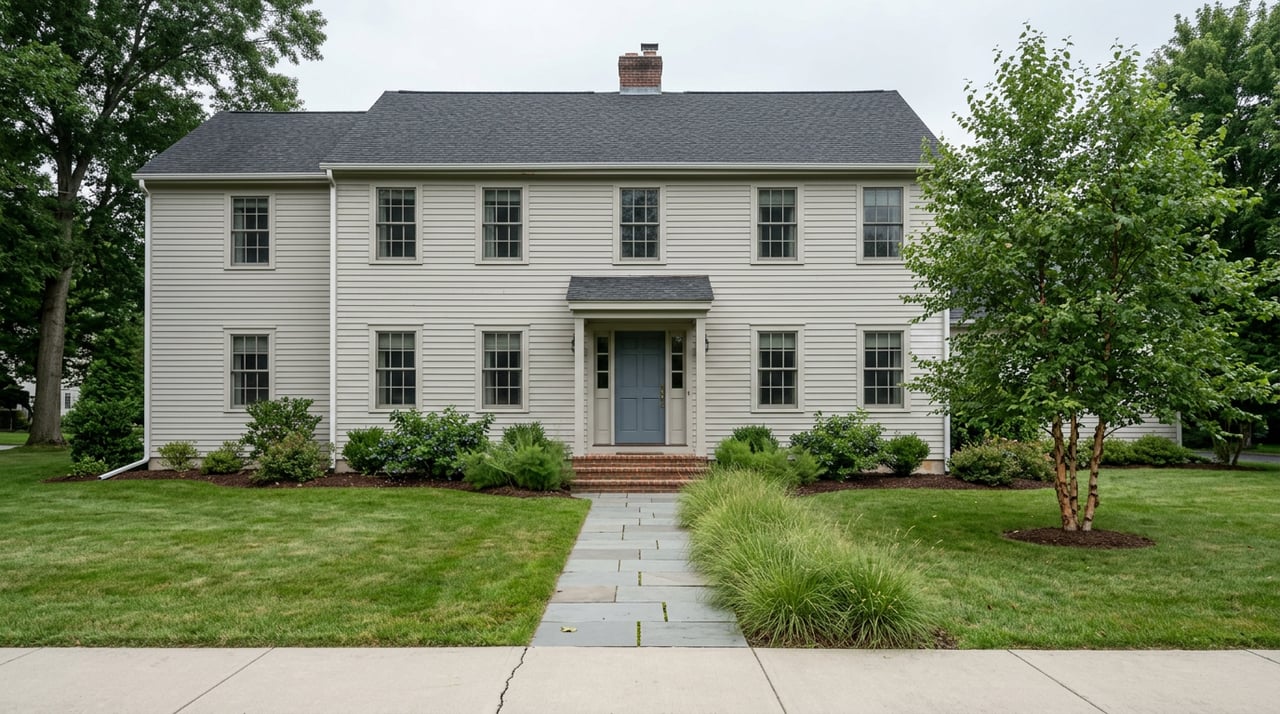
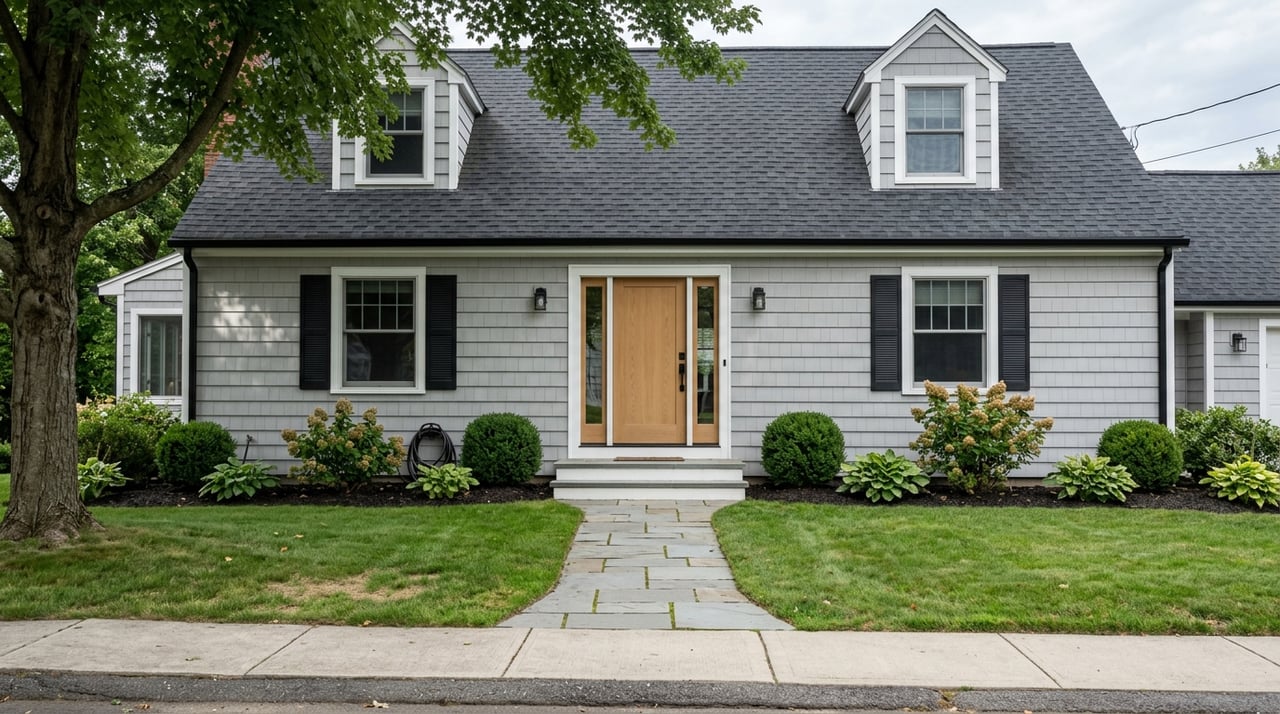
Your exterior sets expectations before a buyer ever opens the front door. In fact, NAR found that 92% of REALTORS® recommend improving curb appeal before listing.
The same NAR research found strong estimated cost recovery for outdoor projects, including standard lawn care, landscape maintenance, and overall landscape upgrades. That is good news for sellers because curb appeal improvements do not always require a huge budget.
Focus on practical updates like:
- Mow and edge the lawn
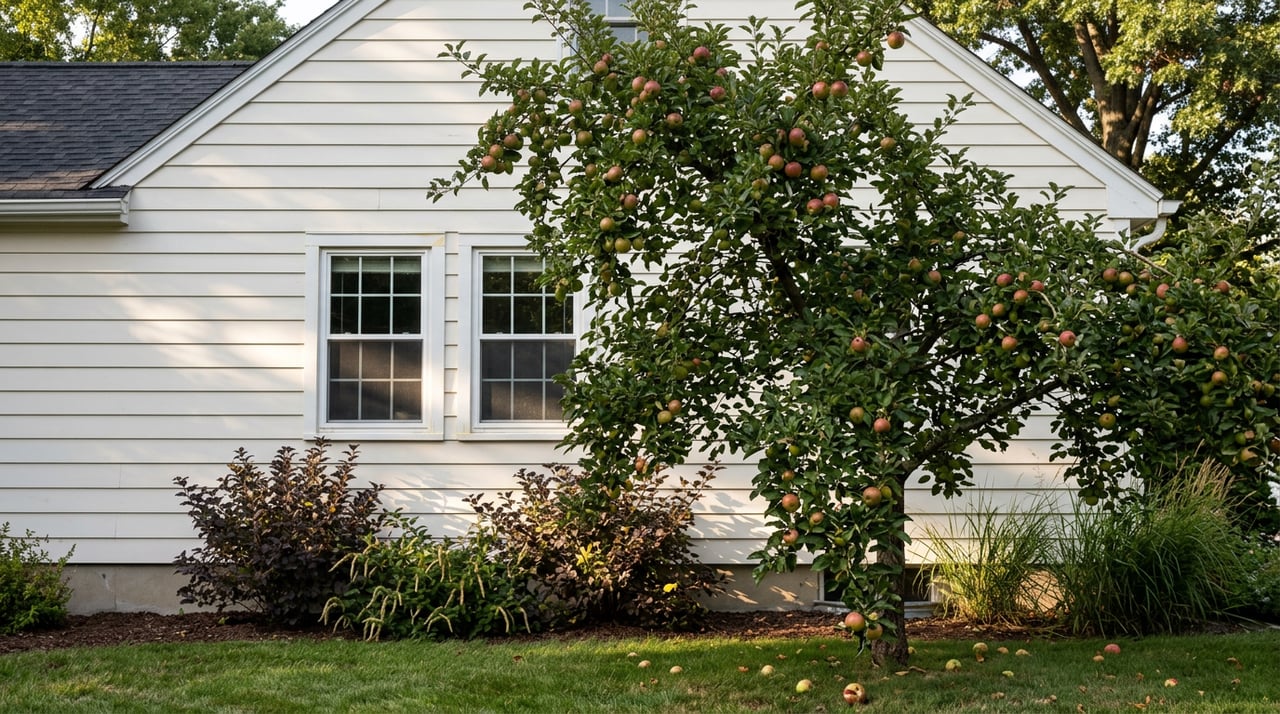
- Trim shrubs and remove dead plantings
- Mulch garden beds for a cleaner look
- Power wash walkways, siding, and steps if needed
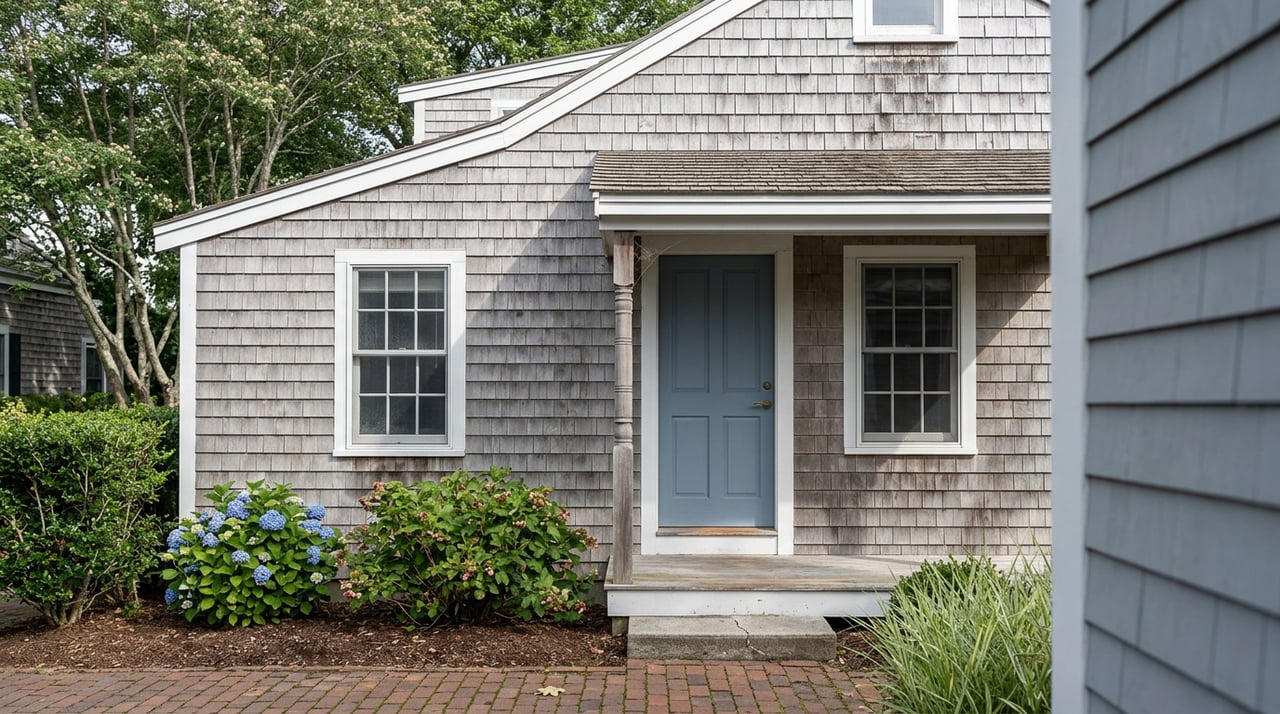
- Paint or touch up the front door
- Replace a tired mailbox, house numbers, or exterior light fixtures
If your home has a dated entry, even a smaller update can help. NAR’s consumer remodeling guide notes that a new steel front door had 100% cost recovery, and a new fiberglass front door had 80% cost recovery.
Use staging where it counts most
Staging does not have to mean fully furnishing every room. The research suggests that a targeted approach can still make a real difference.
According to the 2025 NAR staging report, 83% of buyers’ agents said staging makes it easier for buyers to visualize the home as a future home. In that same report, 17% said staged homes can increase the dollar value offered by 1% to 5%, and 30% of sellers’ agents saw slight reductions in time on market.
If you are deciding where to focus, the most important rooms to stage are:
- Living room
- Primary bedroom
- Kitchen
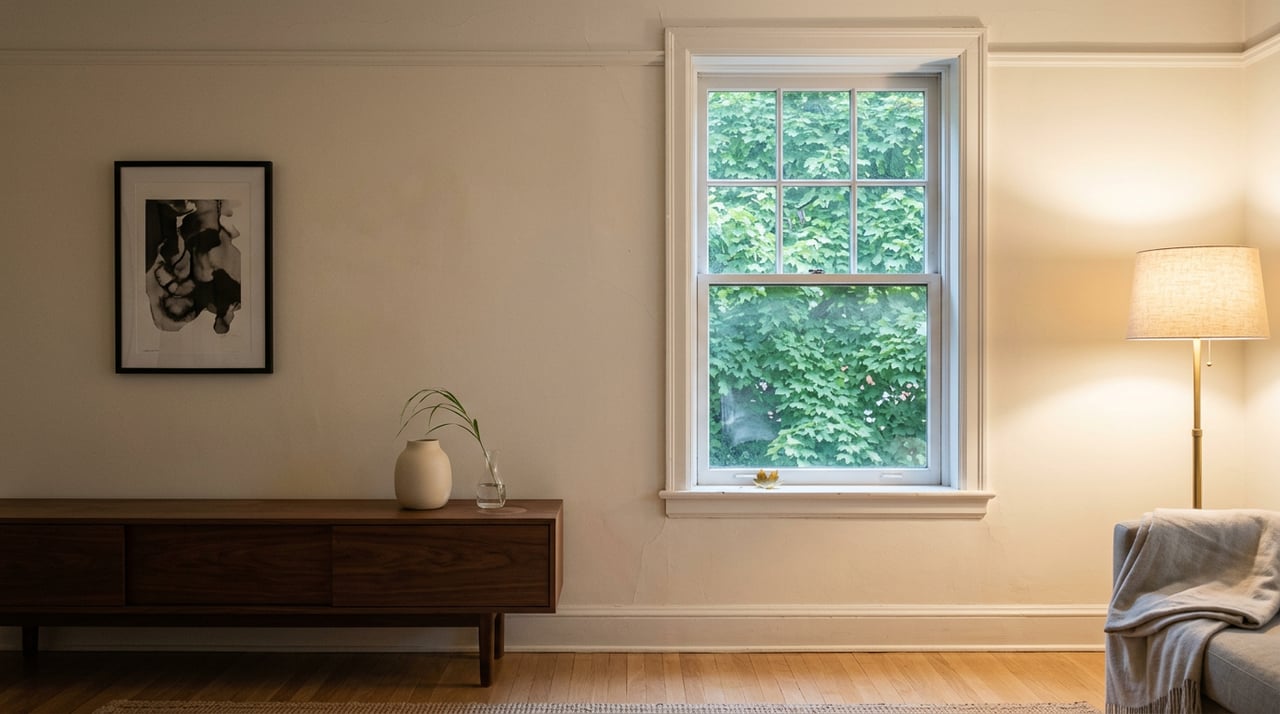
Those spaces tend to shape how buyers feel about the home overall. If full staging is not in the plan, partial staging still works well. Declutter, neutralize decor, remove personal items, and create a clean, balanced look in the rooms buyers care about most.
Match your prep to your town and price point
Westchester is not one uniform market. It is a collection of submarkets with different price levels and different selling speeds.
For example, Zillow’s county page shows typical home values above $1 million in towns like Armonk, Chappaqua, Briarcliff Manor, and Pleasantville. Realtor.com also shows variation in median days on market, including White Plains at 39 days, Greenburgh at 40, Yonkers at 54, and Mount Vernon at 73.
What does that mean for you? In higher-price or faster-moving areas, more polished presentation can be worth the added investment. That may include fuller staging, sharper cosmetic upgrades, and higher-end marketing assets.
In slower-moving or more price-sensitive pockets, buyers may respond best to clean condition, repaired defects, and pricing that reflects the home honestly. The goal is not to overspend. It is to align your prep with what buyers in your part of Westchester are likely to notice and value.
Keep upgrades practical
It is easy to over-improve a home before listing, especially if you have lived there for years and know every little thing you would change. But the data supports a practical approach.
NAR’s consumer remodeling guide shows stronger cost recovery for smaller, visible projects like front doors and closet renovations than many major remodels. That is why many sellers see better results from paint, repairs, lighting, landscaping, and selective updates than from a large, expensive overhaul right before listing.
A helpful way to evaluate any project is to ask:
- Will buyers notice this immediately?
- Will it improve photos or showings?
- Will it help reduce objections?
- Is it appropriate for my neighborhood and price band?
If the answer is yes to most of those questions, it may be worth doing.
Prepare for a strong online launch
Even a beautifully prepared home can miss the mark if the launch is weak. Today, your first showing often happens on a screen.
The NAR online visibility article explains that the first few days after launch matter because early views, saves, and shares can affect listing visibility. It also notes that buyers’ agents value photos, videos, and virtual tours, while sellers’ agents say clients care strongly about photos and video too.
That is why professional photography is not optional in this market. If buyers are comparing homes across multiple Westchester towns, clear visuals help them understand your home’s layout, condition, and style before they ever book a showing.
A strong launch usually includes:
- Professional listing photos
- Video or virtual tour when appropriate
- Broad exposure through the MLS and major search channels
- Fast, polished debut during the first days on market
This is where preparation and marketing work together. The cleaner and more polished your home is before photos, the stronger your online presentation will be.
Create a simple pre-listing game plan
If you are feeling overwhelmed, keep it simple. Most successful pre-sale prep follows a clear sequence.
Step 1: Declutter and deep clean
Start by removing excess items, simplifying each room, and getting the home thoroughly cleaned. This creates the foundation for everything else.
Step 2: Repair what buyers will notice
Handle visible maintenance issues next. Paint touch-ups, broken fixtures, damaged trim, and similar defects should move to the top of the list.
Step 3: Improve curb appeal
Make sure the outside looks cared for and welcoming. Buyers often form an opinion before they enter the house.
Step 4: Stage key rooms
Focus on the living room, primary bedroom, and kitchen first. Even partial staging can help buyers picture themselves in the home.
Step 5: Launch with strong visuals
Once the home is ready, schedule professional photography and prepare for a clean, coordinated market debut. Early presentation matters.
Selling in Westchester is not just about putting a sign in the yard. It is about making thoughtful choices that help buyers see value quickly and clearly. With the right prep plan, you can reduce distractions, strengthen your first impression, and put your home in a better position from day one.
If you are getting ready to sell and want a strategy tailored to your town, condition, and price point, Rahhim Shillingford can help you build a smart plan that balances preparation, pricing, and marketing.
FAQs
What should I fix before selling a home in Westchester?
- Focus first on visible issues like peeling paint, broken fixtures, worn surfaces, leaks, damaged trim, and other condition problems buyers will notice during photos or showings.
Does staging help sell a Westchester home faster?
- Research from NAR shows staging helps buyers visualize the home, and some sellers’ agents report slightly reduced time on market, especially when key rooms are staged well.
Which rooms matter most when staging a home for sale in Westchester?
- The living room, primary bedroom, and kitchen are the top rooms to prioritize based on NAR staging research.
How important is curb appeal when listing a Westchester home?
- Curb appeal is very important because it shapes first impressions early, and NAR reports that most REALTORS® recommend improving it before listing.
Should I remodel my Westchester home before selling?
- Usually, smaller visible updates and repairs offer a better return than a major remodel unless the home clearly needs larger work to address condition concerns.