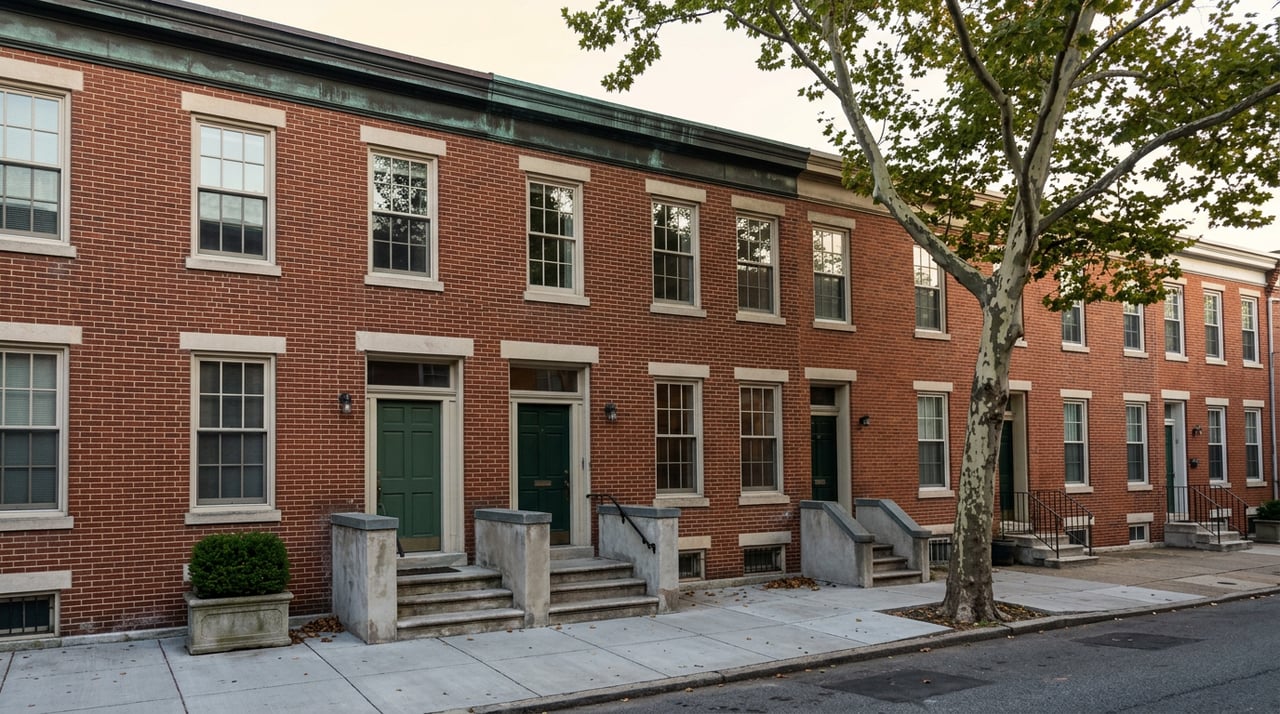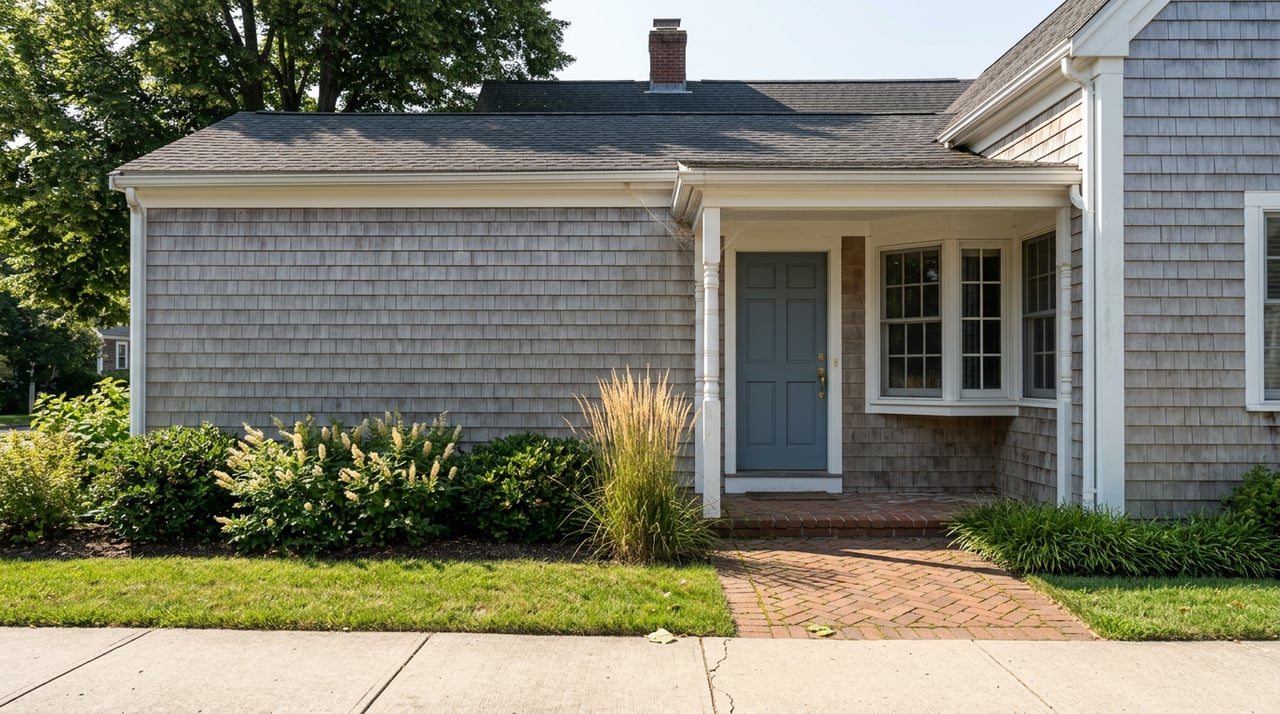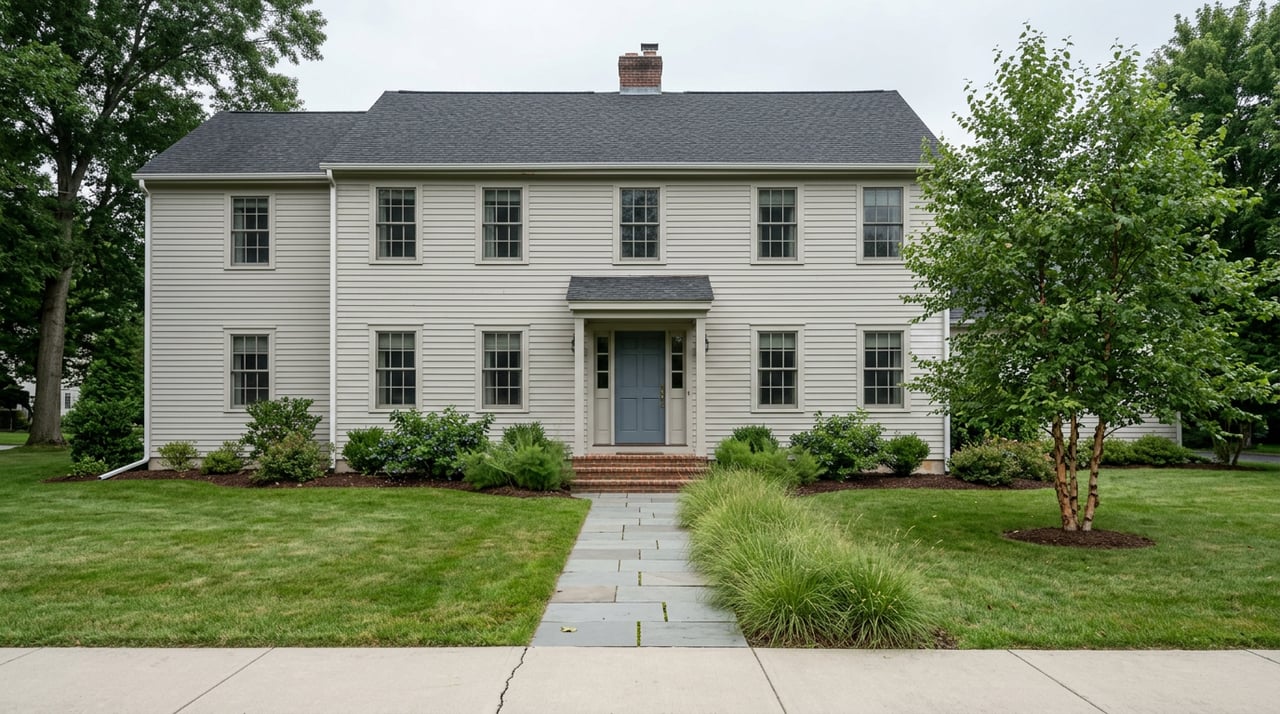
Picture two colonials, same era, same square footage, same $900,000 asking price. One sits in Scarsdale. The other sits in Mount Vernon. A buyer comparing the listings side by side would reasonably assume the carrying costs land somewhere close together. They do not. Depending on where each home falls in the county's patchwork of assessment practices, the annual tax bills on these two houses can differ by thousands of dollars, and the gap has almost nothing to do with which house is nicer.
That gap is the thing worth understanding before you fall for a listing price. In Westchester, the number on the for-sale sign tells you what a seller wants. It does not tell you what the county, your specific school district, and your specific town have already decided you owe every year afterward.
The Bill Is Built Before You See a Rate
Every Westchester property tax bill is actually three bills stacked together: a county share, a town or city share, and a school district share. According to Westchester County's own explanation of the system, the school portion is by far the largest piece, with the county and local government splitting a much smaller remainder. That alone should reframe how a buyer compares towns. The number that moves the most is not the town's municipal levy. It's which school district your specific address happens to sit inside.
Here's the part that trips people up even more: towns don't all assess property the same way. Some assess at something close to full market value. Others assess at a fraction of it and rely on a state-calculated equalization rate to convert that fraction back into an apples-to-apples comparison. New York State's Department of Taxation and Finance describes equalization rates as the mechanism that lets a school district spanning multiple towns divide its tax levy fairly, even when one town assesses at 100 percent of value and its neighbor assesses at a much lower percentage. Without that conversion, a homeowner in the low-assessment town would appear to owe far less than a homeowner in the full-value town, even if the two houses are worth the same amount on the open market.
For a buyer, the practical takeaway is simple. The assessed value printed on a listing sheet is not comparable across town lines until you know that town's residential assessment ratio. A house assessed at $18,000 in Harrison, for instance, uses a 2026 ratio that converts to a market value estimate well north of $1.9 million, a conversion that only makes sense once you know Harrison's specific ratio for that year. Try that same math with a different town's ratio and you'll land on a completely different number. This is why two agents quoting "assessed value" from two different towns can be talking about two different kinds of numbers entirely.
Why the Pricier Town Sometimes Taxes You Less
Here's the piece that surprises people who assume price and tax burden move together. Westchester's most expensive communities don't necessarily carry the highest effective tax rates. Some of them carry among the lowest.
For 2026, Scarsdale's effective property tax rate runs in the neighborhood of 1.85 to 2.0 percent, a relatively modest rate for the county. Mount Vernon and Yonkers, both markedly less expensive on a price-per-home basis, carry effective rates that can climb above 2.8 to 3.2 percent on lower-value properties. That's not a typo and it's not a coincidence. A school district's budget is largely fixed by enrollment and spending decisions made independent of that year's home prices. When a district has a very large tax base, in other words a lot of expensive homes to spread the levy across, it can fund that budget at a lower rate. When a district has a smaller aggregate value to work with, it needs a higher rate on every assessed dollar to raise the same money.
So the $900,000 home in Scarsdale and the $900,000 home in Mount Vernon aren't drawing on tax bases anywhere near the same size, even though the individual purchase prices match. The Scarsdale home is one of many high-value parcels sharing a large levy. The Mount Vernon home is one of comparatively fewer high-value parcels covering that district's costs. The result is a lower rate in the pricier town and a higher one in the more affordable town, which is the exact opposite of what most buyers expect walking in.
The Calendar Nobody Puts on the Listing Sheet
If you ever want to challenge an assessment, timing is everything, and Westchester does not run one countywide calendar. It runs several.
For the 2026 cycle, the City of White Plains held its grievance window from January 1 through January 21, weeks ahead of almost everyone else. Bronxville, Larchmont, New Rochelle, Pleasantville, Sleepy Hollow, Croton-on-Hudson, Buchanan, and Tuckahoe held Grievance Day on the third Tuesday in February. The rest of the county, including Scarsdale, Rye, Harrison, Pelham, Mount Pleasant, and Mount Kisco, held Grievance Day on June 16. Yonkers runs its own separate schedule for commercial parcels later in the year, in November.
Scarsdale's own 2026 tentative assessment roll notice makes the point concrete: the roll was posted June 1 and available for review through June 16, a two-week window with no extensions. Miss it, and the next opportunity is a full year away. For a buyer who closes on a home in July, that means inheriting the current assessment until the following cycle rolls around, whichever month that happens to be for that particular town.
This matters most for someone actively comparing towns right now, because it means the "right" time to think about your future tax position isn't a single date on a shared calendar. It's a different date depending on which town you're evaluating, and it's worth confirming before you fall in love with a specific street.
The One Line Item That Changed for 2026
Nearly every Westchester homeowner has some version of a STAR exemption or credit reducing their school tax bill, but STAR has a narrower reach than most buyers assume. According to the state's own guidance, the STAR benefit applies only to the school portion of your bill, not to county or town taxes, with one notable exception: the cities of New York, Buffalo, Rochester, Syracuse, and Yonkers apply the exemption partly against city taxes as well. Yonkers is the only Westchester municipality on that short list, which means a STAR recipient there gets a slightly different kind of relief than a STAR recipient anywhere else in the county.
There's also a real change for 2026 worth knowing if you or a family member is approaching 65. Historically, homeowners had to file a separate application to move from Basic STAR to the larger Enhanced STAR benefit once they turned 65. Starting with the 2026 cycle, the state's Office of Real Property Tax Services automatically notifies the local assessor and makes the upgrade without a new filing.
The catch is quiet and easy to miss. The upgrade depends on your 2024 federal adjusted gross income falling at or below $110,750, and it depends on having a Social Security number already on file with your STAR registration. If either condition isn't met, the system doesn't send a rejection notice. It simply doesn't upgrade you, and the missing benefit can go unnoticed for a full tax cycle before anyone catches it.
What This Means When You're Comparing Towns
Put these pieces together and the lesson isn't "Westchester taxes are high," which every portal already tells you. The lesson is that price and tax burden are only loosely connected, and the connection runs through mechanisms that never show up on a listing sheet.
A few things worth doing before you commit to a town:
- Ask which school district a specific address falls into, not just which town. District lines don't always match municipal lines.
- Ask for the home's current STAR status and whether it's the exemption version or the credit version. They behave differently on paper.
- If you're weighing two towns at similar price points, ask about each one's effective rate rather than assuming the more expensive-feeling town costs more to hold.
- If assessment or grievance timing matters to your decision, confirm that specific town's cycle. Some open in January, some in February, most in June.
None of this changes what a house is worth to live in. It changes what you'll actually pay to keep living there, which is the number that should sit next to the price tag from the start.
A Few Questions Worth Asking Directly
Does a lower list price always mean a lower total cost? Not necessarily. A less expensive home in a town with a higher effective rate can carry a comparable or larger annual tax bill than a pricier home in a town with a lower rate.
If a town's grievance window already closed this year, is a buyer stuck until the next cycle? Generally yes, though a recent purchase price can serve as evidence for the following year's grievance if the assessment looks out of step with what you actually paid.
Is STAR worth confirming before closing? Worth confirming, yes. Since STAR applies only to the school tax portion in most of the county, with Yonkers as the lone exception, the benefit's size depends heavily on which district you're buying into.
Comparing Westchester towns by price alone tells you half the story. The other half lives in the assessment ratio, the school budget, and a set of dates that never make it onto a listing sheet. If you're weighing towns right now and want someone to walk through the real numbers behind a specific address, Vision Alliance Realty can help you start your VIP home search with that full picture in hand.