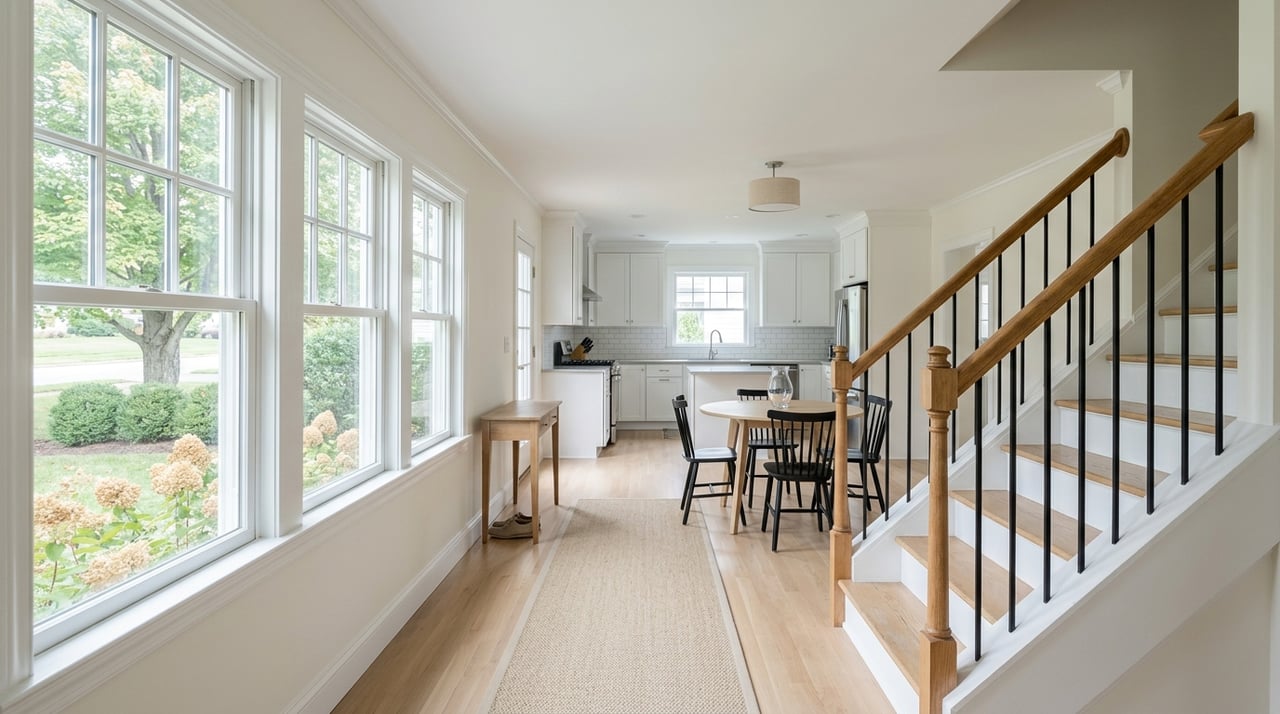
Buying a home in the Bronx can feel exciting and overwhelming at the same time. You may be trying to figure out how much you can afford, which type of property fits your goals, and what local costs could affect your budget. The good news is that once you understand the steps, the process becomes much easier to manage. This guide walks you through each stage so you can move forward with more clarity and confidence. Let’s dive in.
Start With Your Budget
Before you tour homes, take a close look at your finances. That means reviewing your income, savings, monthly debts, and credit so you have a realistic price range in mind.
A mortgage preapproval is one of the best first steps because it helps you shop with a clearer budget. According to the Consumer Financial Protection Bureau’s preapproval guidance, preapproval helps you understand what a lender may offer, but it does not lock you into that lender. After your offer is accepted, you can still compare official Loan Estimates before choosing.
If you are a first-time buyer in New York City, it is also worth checking whether you may qualify for HPD’s HomeFirst assistance program. The current term sheet says eligible buyers may be able to receive up to the lesser of 20% of the purchase price or $100,000, with requirements that include first-time buyer status, primary residence occupancy, approved homebuyer education, and at least 3% of the purchase price from your own funds.
Choose the Right Bronx Property Type
Not every Bronx purchase follows the same path. A single-family house, a condo, a co-op, and a small multifamily property can each come with different costs, rules, and ownership responsibilities.
New York City notes that most one-, two-, and three-family homes are in tax class 1, while co-ops and condos are generally tax class 2. That matters because tax class affects how property taxes and assessments work.
If you are considering a co-op, know that you are not buying real property in the same way you would with a house or condo. The New York State Attorney General explains that a co-op buyer purchases shares in a corporation, receives a proprietary lease for the unit, and pays maintenance charges based on the shares assigned to that apartment.
If you are thinking about a two- to four-unit property, your long-term plans matter. A small multifamily purchase can offer flexibility, but it may also create owner responsibilities right away, including maintenance, safety, and compliance duties described by NYC HPD.
Quick Property Comparison
| Property Type | What You Buy | Key Budget Item | Extra Consideration |
|---|---|---|---|
| Single-family home | The home and land | Mortgage, taxes, insurance | Standard inspection and closing costs |
| Condo | Individual unit | Mortgage, taxes, common charges | Building documents matter |
| Co-op | Shares in a corporation | Loan, maintenance charges | Board review and detailed document review |
| Small multifamily | Building and land | Mortgage, taxes, insurance, upkeep | Ongoing maintenance and compliance duties |
Narrow Down Location and Daily Fit
Price matters, but so does how a home works for your everyday life. Your commute, nearby transit, access to parks, and day-to-day convenience can shape whether a place feels right.
A practical tool for comparing areas is NYC DOT’s WalkNYC system, which highlights subway stops, bus routes, parks, landmarks, and walking times. As you compare parts of the Bronx, this can help you think through your routine, not just the listing price.
When you tour homes, focus on questions that match your lifestyle. How long will it take to get to work? How often will you need public transportation? How much space do you need now, and how much might you need in a few years?
Begin Your Home Search Strategically
Once your budget and property type are clear, you can search more efficiently. This is where many buyers save time by separating must-haves from nice-to-haves.
Your must-have list might include your price ceiling, number of bedrooms, property type, and commute needs. Your nice-to-have list may include outdoor space, a finished basement, or extra storage.
This stage also helps you stay grounded when the market feels competitive. If you know your priorities, you are less likely to stretch beyond your comfort zone for a home that does not truly fit your goals.
Make an Offer With Eyes Open
When you find the right home, the next step is submitting an offer. In the Bronx, this is where preparation pays off because a strong preapproval and a clear understanding of your budget can help you move faster.
Once your offer is accepted, the process shifts from shopping to due diligence. This is the point where you verify the condition of the home, review documents carefully, and make sure there are no major surprises waiting before closing.
Schedule the Inspection Early
A home inspection is one of the most important protections you have as a buyer. The CFPB recommends hiring an independent inspector as soon as possible so you have time to identify issues, negotiate repairs or credits, or reconsider the purchase if needed.
The inspector should be independent and accountable to you. That matters because you want a clear, unbiased look at the property’s condition.
For older Bronx homes and buildings, inspections can be especially useful because age-related issues may not be obvious during a showing. Roof condition, plumbing, electrical systems, heating, and windows can all affect your short- and long-term costs.
Review Lead Paint and Building Documents
If the home was built before 1978, federal law requires disclosure of known lead-based paint hazards before a buyer signs a contract. The EPA’s lead disclosure guidance also notes that concerned buyers may hire a certified lead inspector before committing to buy.
If you are buying a co-op or condo, document review becomes a major part of your due diligence. The New York State Attorney General recommends reading the full offering plan and consulting an attorney before signing a purchase agreement.
The same guidance says you should review the building’s physical condition, board minutes, and financial reports, especially in older buildings or conversions. Common problem areas can include the facade, roof, plumbing, heating, windows, elevators, and electrical systems, all of which can lead to major building-wide repair costs.
Prepare for Bronx Closing Costs
Many buyers focus so much on the down payment that they underestimate closing costs. In the Bronx, those costs can include transfer taxes, mortgage recording tax, insurance, and other final expenses.
The CFPB’s closing guide says that after your offer is accepted and your lender is selected, you should expect more document requests, shop for homeowner’s and title insurance, and review your Closing Disclosure carefully. By law, you must receive the Closing Disclosure at least three business days before closing.
New York City states that the Real Property Transfer Tax for a one- to three-family house, individual condo unit, or individual co-op apartment is 1% up to $500,000 and 1.425% above $500,000. New York State also imposes a mansion tax on residential real property or interests in real property when the purchase price is $1 million or more.
Mortgage recording tax is another major item to plan for. New York State explains that this tax applies when a mortgage is recorded, and NYC notes through its recording methodology that the combined city and state rates are 2.05% for mortgages under $500,000 and 2.175% for residential mortgages of $500,000 or more. NYC also notes that for co-op purchases, there is no mortgage recording tax liability because the financing is technically not a mortgage, as summarized on the state’s mortgage tax page.
Understand Recording and Final Steps
In the Bronx, deed and mortgage documents are recorded through ACRIS. New York City says property documents for the Bronx are recorded online there, and the city’s Real Property Transfer Tax packet is also created online through that system.
The city notes that the tax return generally must be filed and paid within 30 days after the transfer. While your attorney and closing professionals will typically help coordinate these items, it is still helpful to understand the process so nothing feels unfamiliar at the finish line.
Take the Right Post-Closing Steps
Closing day is a milestone, but it is not the last item on your checklist. After you take title, you may have a few important tasks to handle depending on the property and how you plan to use it.
If the home will be your primary residence, New York State says you should register for the STAR credit after closing if you are eligible. NYC also notes that some homeowners may qualify for additional exemptions.
If you buy a 3-plus unit building, or a 1- or 2-family home where neither you nor immediate family lives there, annual HPD registration may also apply. The research report notes that this registration must be filed by September 1 for covered properties.
Common Bronx Buyer Mistakes to Avoid
The biggest problems usually come from skipping steps, not from the process itself. A little planning upfront can help you avoid expensive surprises later.
Here are some of the most common mistakes:
- Underestimating closing taxes and recording charges
- Skipping the home inspection
- Overlooking pre-1978 lead paint disclosure rules
- Failing to review co-op or condo documents carefully
- Treating a small multifamily purchase like a standard house purchase without preparing for maintenance and compliance duties
One of the most important Bronx-specific lessons is this: co-op buyers and house buyers need to budget differently, and small multifamily buyers need to prepare for ownership responsibilities right away. When you understand those differences early, you can make better decisions with fewer surprises.
Your Next Move
Buying a home in the Bronx is a big step, but it becomes much more manageable when you break it into clear stages. If you start with your budget, choose the right property type, complete your due diligence, and plan for local closing costs, you can move through the process with a lot more confidence.
If you want local guidance from a team that understands Bronx buyers and how to navigate the process clearly, connect with Rahhim Shillingford for personalized support.
FAQs
What is the first step to buying a home in the Bronx?
- The first step is reviewing your budget, checking your credit, and getting mortgage preapproval so you know your realistic price range.
How is buying a co-op in the Bronx different from buying a house?
- A co-op buyer purchases shares in a corporation and receives a proprietary lease, while a house buyer purchases real property directly.
Do Bronx homebuyers need a home inspection?
- An independent home inspection is strongly recommended because it helps you identify property issues early and decide whether to move forward, negotiate, or reconsider.
What closing costs should Bronx buyers plan for?
- Buyers should plan for items such as transfer taxes, mortgage recording tax when applicable, insurance costs, and other closing-related fees.
Are there first-time homebuyer programs available for Bronx buyers?
- Some eligible first-time buyers in New York City may qualify for HPD’s HomeFirst program, which provides assistance subject to program rules and buyer eligibility.
What should Bronx buyers do after closing?
- After closing, primary-residence buyers should check eligibility for the STAR credit, and some owners of certain multifamily or non-owner-occupied properties may need to complete annual HPD registration.